

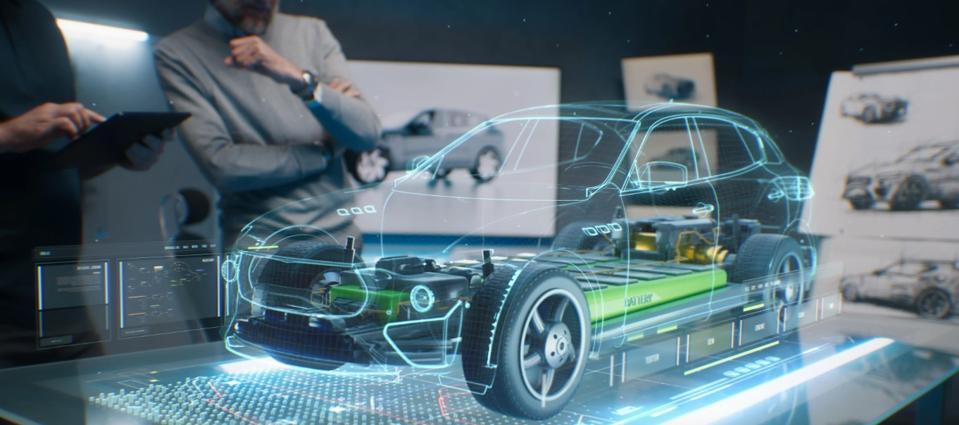
The auto industry has always been at the centre of innovation, shaping economies and influencing the way people live, travel, and connect. Over the decades, vehicles have evolved from basic mechanical machines to highly advanced, computer-driven mobility solutions. Today, the industry is experiencing one of its most transformative phases with rapid developments in sustainability, digital integration, and autonomous technology. Understanding these shifts is essential for drivers, businesses, and policymakers alike.
The Rise of Modern Automotive Technology
The past two decades have seen groundbreaking advances that have redefined what an automobile can do. Modern vehicles are no longer just about engines and wheels; they are complex systems combining mechanics, electronics, and artificial intelligence.
Smart Vehicles and Connectivity
One of the most significant innovations is vehicle connectivity. Cars are now equipped with sensors, GPS, and internet-based services that allow them to communicate with other vehicles and infrastructure. This is not only improving navigation and traffic flow but also enhancing safety through real-time data exchange.
Key developments include:
-
In-car entertainment systems that integrate seamlessly with smartphones.
-
Real-time diagnostics that alert drivers of potential issues before breakdowns occur.
-
Vehicle-to-vehicle (V2V) communication, enabling safer and more efficient traffic management.
Electric Mobility
The push towards sustainability has accelerated the adoption of electric vehicles (EVs). With stricter emission regulations and growing environmental awareness, automakers are investing heavily in battery technology. EVs are no longer niche products; they are mainstream choices for consumers looking for cost efficiency and eco-friendly alternatives.
Benefits include:
-
Lower running costs compared to traditional combustion engines.
-
Reduced greenhouse gas emissions.
-
Government incentives and grants encouraging adoption.
Autonomous Driving: From Concept to Reality
Self-driving cars were once a futuristic idea, but today they are actively being tested and deployed. Autonomous vehicles rely on advanced software, cameras, radar, and LiDAR technology to navigate roads with minimal or no human input.
Levels of Autonomy
The industry recognises five levels of driving automation:
-
Level 1: Driver assistance features like adaptive cruise control.
-
Level 2: Partial automation, with cars handling steering and acceleration simultaneously.
-
Level 3: Conditional automation, where the car can drive itself under certain conditions but requires human intervention.
-
Level 4: High automation, enabling full self-driving in most conditions.
-
Level 5: Full automation, where no human input is needed at all.
While most consumer vehicles today operate at Level 2, research and pilot programmes are pushing towards Levels 4 and 5.
Challenges and Opportunities
Despite the excitement, autonomous driving faces hurdles:
-
Safety concerns due to unpredictable human behaviour on roads.
-
Regulatory frameworks still evolving to accommodate driverless cars.
-
Public trust in self-driving technology needs time to develop.
At the same time, the potential is enormous. Autonomous fleets could reduce traffic accidents, cut congestion, and transform logistics by enabling 24/7 goods delivery.
Sustainability and the Auto Industry
The industry’s environmental impact has been under scrutiny for decades, prompting significant innovation in green technology.
Green Manufacturing Practices
Auto manufacturers are adopting sustainable practices in production:
-
Using recycled materials in vehicle interiors.
-
Implementing energy-efficient manufacturing processes.
-
Reducing water usage and emissions in factories.
Hydrogen and Alternative Fuels
Beyond electric cars, hydrogen fuel cell vehicles and hybrid solutions are gaining attention. They offer extended range and quick refuelling times, making them suitable for both personal and commercial transport.
The Role of Artificial Intelligence in Automotive Innovation
AI is at the heart of many automotive advancements. From driver assistance systems to predictive maintenance, AI enhances efficiency, safety, and customer experience.
Applications include:
-
Smart navigation that adapts routes based on live traffic.
-
Predictive analytics to forecast when a vehicle part may fail.
-
Personalised driving experiences, adjusting seating, temperature, and entertainment to individual preferences.
Changing Consumer Behaviour
Modern drivers expect more than just transportation; they demand convenience, efficiency, and seamless digital integration. As a result, manufacturers are shifting towards mobility-as-a-service (MaaS), where car ownership is replaced by subscription-based or shared mobility solutions.
Car Sharing and Ride-Hailing
Urbanisation and rising living costs have led to the growth of services that allow access to vehicles without ownership. Car sharing, ride-hailing apps, and subscription services are reshaping how people think about mobility.
Enhanced Customer Experience
Digital platforms are making vehicle purchase and maintenance easier:
-
Online car configurators allow buyers to customise vehicles before purchasing.
-
Virtual reality (VR) showrooms provide immersive experiences without leaving home.
-
Mobile apps help schedule services, track performance, and even update car software remotely.
Future Outlook for the Auto Industry
The next decade promises even more radical changes. Key trends shaping the future include:
-
Expansion of fully electric vehicle line-ups.
-
Integration of 5G connectivity for seamless real-time communication.
-
Greater investment in autonomous public transport systems.
-
Stronger emphasis on sustainable materials and recycling.
Governments worldwide are also setting ambitious targets for phasing out petrol and diesel vehicles, which will further accelerate the industry’s green transition.
FAQs
What is the biggest challenge facing the auto industry today?
The industry’s main challenges are balancing sustainability with profitability, meeting emission targets, and building public trust in autonomous and electric vehicles.
Are electric vehicles cheaper to maintain?
Yes, EVs generally have fewer moving parts compared to combustion engines, which means lower maintenance costs over their lifespan.
How soon will fully autonomous cars become common?
Experts predict that Level 4 autonomous vehicles could become commercially available within the next 10–15 years, although widespread adoption may take longer.
What role will AI play in the cars of the future?
AI will drive everything from self-driving systems and predictive maintenance to personalised in-car experiences, making vehicles safer and smarter.
Will traditional petrol and diesel cars disappear completely?
While governments are pushing for bans on fossil fuel vehicles in the coming decades, petrol and diesel cars will likely coexist with EVs and hybrids for several years, especially in regions with less developed charging infrastructure.
Comments are closed.