

Reducing energy use at home isn’t just about lowering utility bills—it’s also about improving comfort, increasing property value, and minimizing environmental impact. With the right strategies, homeowners can make meaningful energy savings without sacrificing convenience. These practical, easy-to-apply energy-saving tips work for homes of all sizes and budgets.
Why Energy Efficiency Matters at Home
Energy-efficient homes consume less power to perform the same tasks, which leads to long-term savings and reduced strain on energy resources.
Key benefits include:
- Lower monthly energy bills
- Improved indoor comfort
- Reduced carbon footprint
- Less wear and tear on home systems
Small improvements can add up to significant savings over time.
Improve Insulation and Seal Air Leaks
Poor insulation and hidden air leaks are major causes of energy loss in homes.
Focus on Key Areas
Heat often escapes through:
- Attics and crawl spaces
- Doors and windows
- Basements and exterior walls
Adding insulation and sealing gaps with weatherstripping or caulk helps maintain consistent indoor temperatures and reduces heating and cooling costs.
Use Energy-Efficient Lighting
Lighting accounts for a noticeable portion of household electricity use.
Switch to LED Bulbs
LED bulbs:
- Use significantly less energy than traditional bulbs
- Last much longer
- Produce less heat
Replacing frequently used bulbs first delivers the fastest return on investment.
Upgrade to Smart Temperature Control
Heating and cooling systems are typically the largest energy consumers in a home.
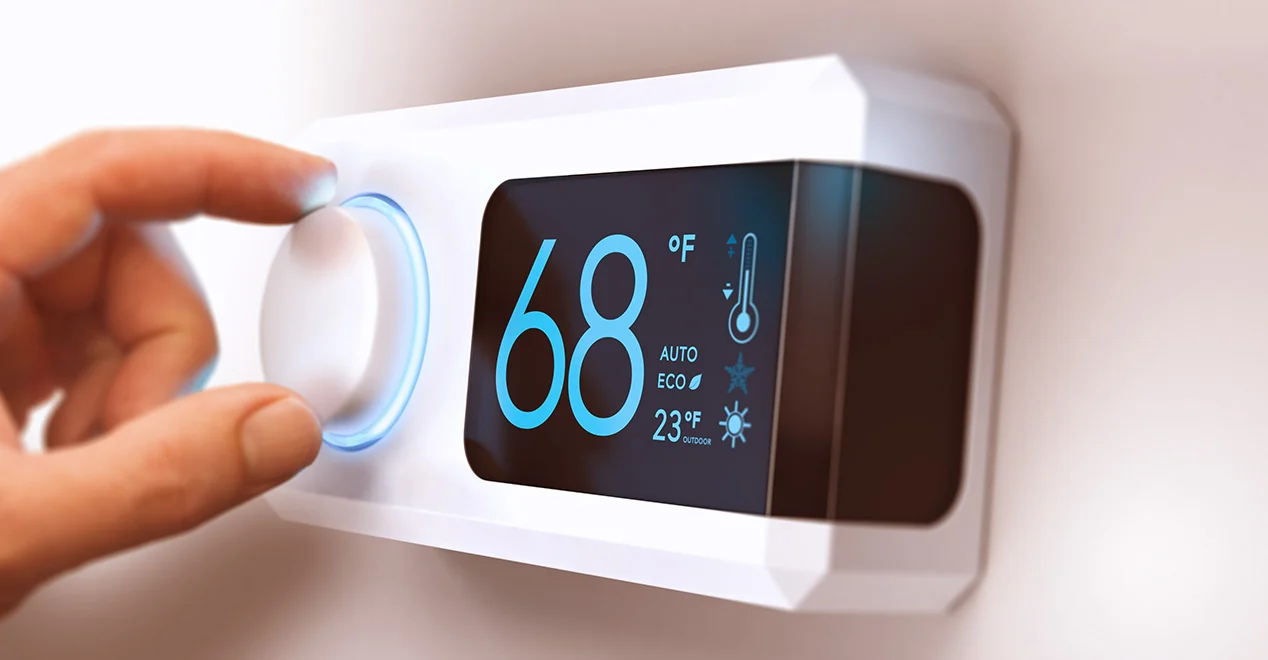
Install a Smart Thermostat
Smart thermostats help by:
- Adjusting temperatures based on usage patterns
- Reducing energy waste when no one is home
- Improving comfort without manual adjustments
Even modest temperature changes can lead to meaningful savings.
Optimize Appliance Usage
Older or inefficient appliances often consume more power than necessary.
Use Appliances Wisely
Energy-saving habits include:
- Running dishwashers and washing machines with full loads
- Using cold water when possible
- Air-drying clothes instead of using a dryer
- Turning appliances off instead of leaving them on standby
When replacing appliances, look for energy-efficient models that use less electricity and water.
Make Better Use of Natural Energy
Simple changes in how you use natural light and airflow can reduce dependence on artificial systems.
Helpful strategies:
- Open curtains during winter days to capture heat
- Close blinds in summer to block excess sunlight
- Use ceiling fans to improve air circulation
- Ventilate naturally when outdoor temperatures allow
These adjustments cost nothing and improve indoor comfort.
Reduce Water Heating Costs
Water heating is another major energy expense in many homes.
Ways to save include:
- Lowering the water heater temperature
- Installing low-flow showerheads
- Fixing leaks promptly
- Taking shorter showers
Using less hot water directly reduces energy consumption.
Consider Renewable Energy Options
For homeowners ready to invest long-term, renewable energy can significantly reduce reliance on traditional power sources.
Popular options include:
- Rooftop solar panels
- Solar water heaters
- Energy storage systems
While upfront costs exist, long-term savings and incentives often make renewables worthwhile.
Build Energy-Smart Daily Habits
Technology helps, but habits matter just as much.
Simple habits that save energy:
- Turning off lights when leaving rooms
- Unplugging unused electronics
- Cooking efficiently with lids on pots
- Maintaining heating and cooling systems regularly
Consistency is key to sustained savings.
Final Thoughts
Energy efficiency isn’t about drastic lifestyle changes—it’s about making smarter choices, one step at a time. From sealing air leaks to adjusting daily habits, homeowners can reduce energy use, save money, and create more comfortable living spaces. The sooner you start, the sooner the benefits add up.
Frequently Asked Questions
What is the fastest way to reduce home energy costs?
Switching to LED lighting and sealing air leaks usually provides the quickest savings.
Do energy-efficient upgrades really increase home value?
Yes. Energy-efficient homes are often more attractive to buyers and can command higher resale value.
How much can smart thermostats save annually?
Savings vary, but many homeowners reduce heating and cooling costs by noticeable margins.
Are energy-saving habits as effective as upgrades?
Habits and upgrades work best together. Consistent habits amplify the impact of improvements.
Is insulation worth upgrading in older homes?
Absolutely. Older homes often benefit the most from improved insulation and sealing.
Can small changes really make a difference?
Yes. Small, consistent changes can lead to substantial long-term savings.
Should homeowners conduct energy audits?
Energy audits help identify hidden inefficiencies and prioritize the most effective upgrades.
Comments are closed.