

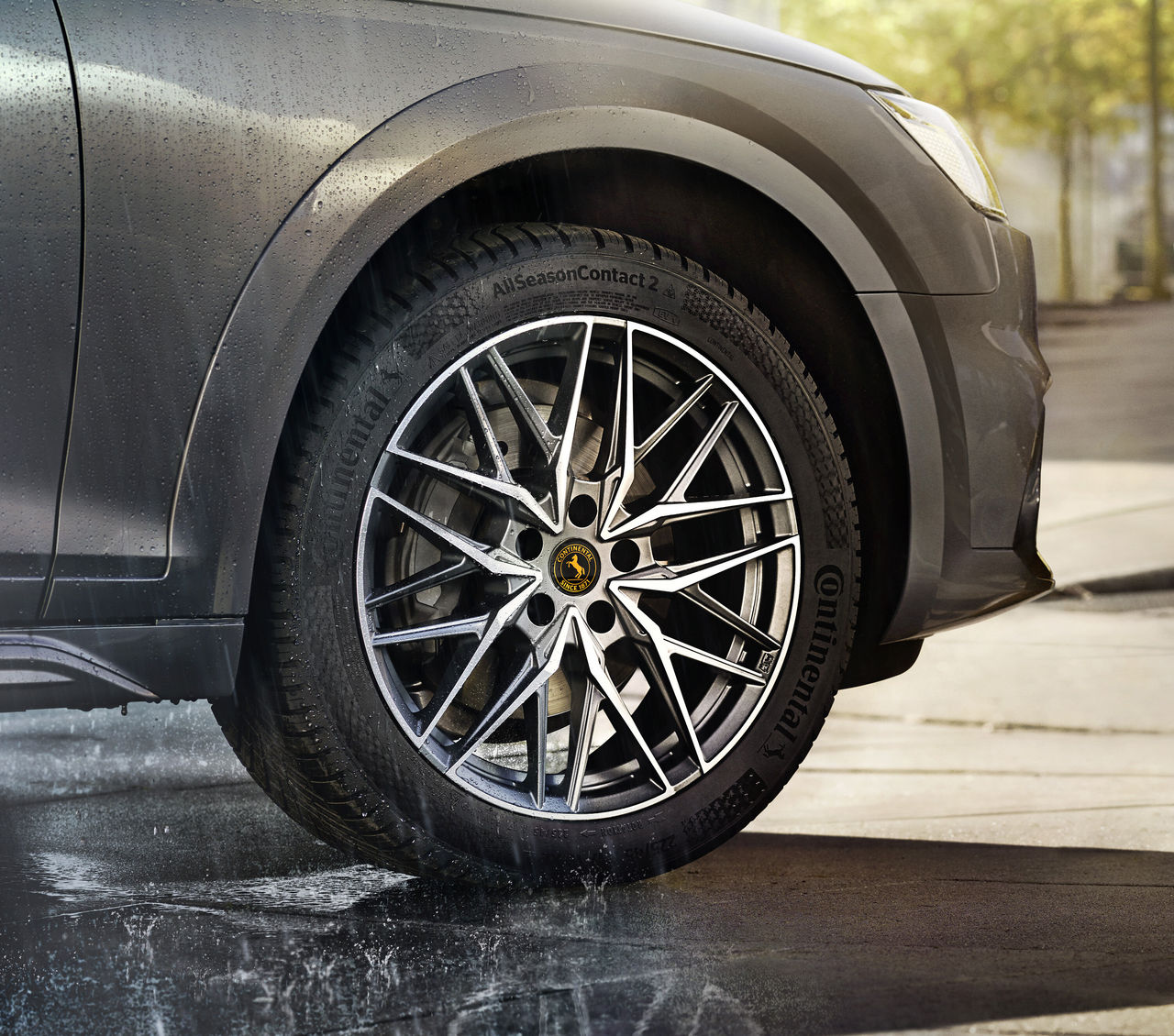
Choosing the right tires isn’t just about size or price—it’s about how you drive, where you drive, and what you expect from your vehicle. The right set of tires can improve safety, comfort, fuel efficiency, and even your overall driving confidence. This guide breaks down everything you need to know so you can make a smart, informed choice without the guesswork.
Understand Your Driving Style First
Before comparing tire brands or tread patterns, take a moment to assess your real-world driving habits. Tires are engineered with specific behaviors in mind, and matching them to your style makes all the difference.
Ask yourself:
- Do you drive mostly in the city or on highways?
- Are you an aggressive driver or more relaxed behind the wheel?
- Do you frequently face rain, snow, or rough terrain?
- Is comfort more important than performance?
Your answers will point you toward the tire category that fits you best.
Match Tires to Common Driving Styles
Daily Commuters and City Drivers
If your driving mostly involves traffic, short trips, and smooth roads, you’ll want tires that focus on comfort and longevity.
Best choice: All-season tires
- Quiet and smooth ride
- Reliable traction in mild weather
- Long tread life and low maintenance
These are ideal for drivers who want a dependable, no-fuss option year-round.
Highway and Long-Distance Drivers
Frequent highway driving demands tires that are stable at speed and efficient over long distances.
Look for tires with:
- Low rolling resistance for better fuel economy
- Strong straight-line stability
- Even tread wear over time
Touring tires often shine in this category, offering comfort without sacrificing control.
Performance-Oriented Drivers
If you enjoy sharp handling, quick acceleration, and confident cornering, performance matters more than tread life.
Best choice: Summer or performance tires
- Excellent grip on dry and wet pavement
- Responsive steering and braking
- Designed for spirited driving
Keep in mind, these tires wear faster and are not suitable for cold or snowy conditions.
Drivers in Snowy or Icy Climates
Cold temperatures and snow demand specialized rubber compounds and tread designs.
Best choice: Winter tires
- Superior traction on snow and ice
- Flexible rubber that stays grippy in freezing temps
- Shorter stopping distances in winter conditions
For safety alone, winter tires are worth the seasonal switch if you live in colder regions.
Off-Road and Adventure Drivers
If your vehicle regularly leaves paved roads, standard tires won’t cut it.
Best choice: All-terrain or mud-terrain tires
- Reinforced sidewalls for durability
- Aggressive tread for dirt, gravel, and mud
- Better grip on uneven surfaces
These tires trade some on-road comfort for off-road capability.
Know the Key Tire Features That Matter
Understanding tire specs helps you fine-tune your choice beyond just the category.
Tread Pattern
- Symmetrical tread: Quiet, long-lasting, and affordable
- Asymmetrical tread: Balanced performance and comfort
- Directional tread: Excellent water evacuation and wet grip
Tire Size and Load Rating
Always follow your vehicle manufacturer’s recommended size. Using the wrong size can affect:
- Handling and braking
- Fuel economy
- Speedometer accuracy
Speed Rating
Speed ratings indicate how well a tire performs at higher speeds. Even if you don’t drive fast, higher ratings often mean better handling and responsiveness.
Balance Budget and Long-Term Value
Cheaper tires may save money upfront, but they often wear faster and perform worse in critical situations. A slightly higher investment can deliver:
- Longer tread life
- Better fuel efficiency
- Improved safety and ride quality
Think in terms of cost per mile, not just purchase price.
When to Replace or Upgrade Your Tires
Even the best tires don’t last forever. Watch for:
- Tread depth below safe limits
- Uneven or rapid wear
- Cracks, bulges, or vibration while driving
If your driving habits or climate change, upgrading to a different tire type may be smarter than simply replacing what you had before.
Final Thoughts
Choosing the right tires is about aligning your driving style, environment, and expectations. When your tires match how and where you drive, every trip feels smoother, safer, and more controlled. Take the time to evaluate your needs—you’ll feel the difference every time you hit the road.
Frequently Asked Questions
How often should I replace my tires even if they look fine?
Most tires should be replaced every 5–6 years, regardless of tread, due to rubber aging.
Can I mix different tire brands on the same vehicle?
It’s not recommended. Mixing brands or tread patterns can negatively affect handling and stability.
Are all-season tires good enough for light snow?
They can handle light snow, but they don’t provide the same level of traction as dedicated winter tires.
Do wider tires always improve grip?
Not necessarily. Wider tires may reduce traction in snow or heavy rain and can affect fuel economy.
Is tire rotation really necessary?
Yes. Regular rotation promotes even wear and extends overall tire life.
How does tire pressure affect performance?
Incorrect pressure can reduce grip, increase wear, and lower fuel efficiency.
Should I choose tires based on brand reputation alone?
Brand matters, but matching tire features to your driving needs is far more important than the logo on the sidewall.
Comments are closed.