

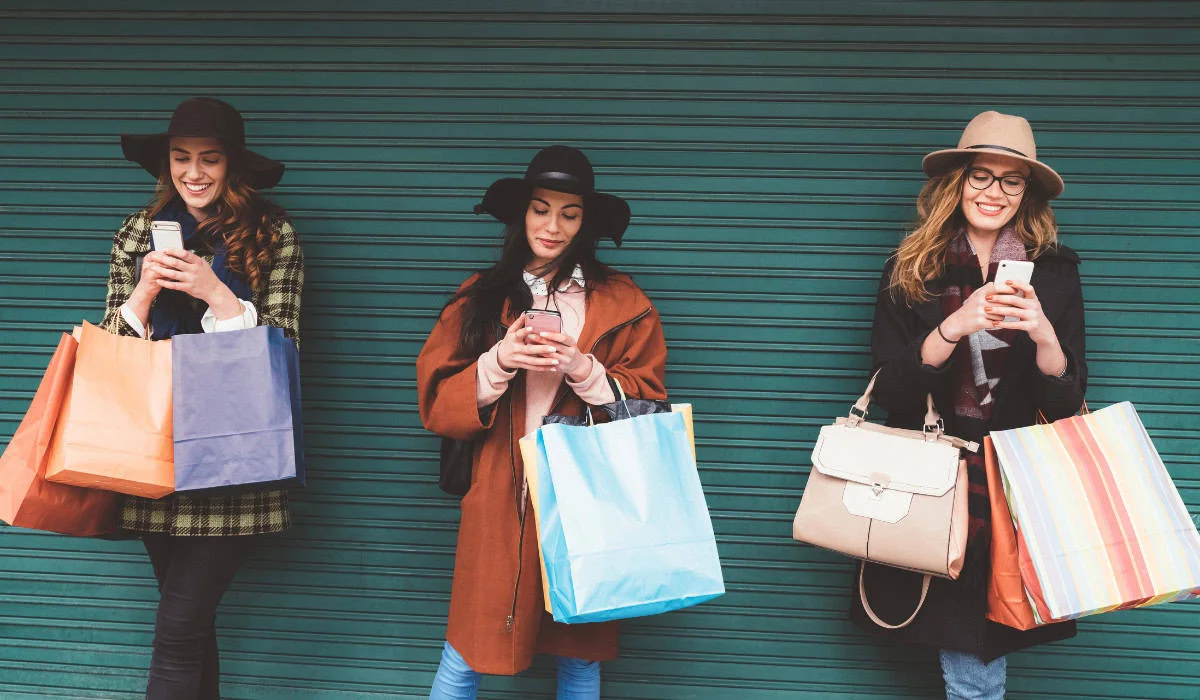
The way people shop is changing faster than ever. Shifts in technology, economic pressure, and evolving consumer values are reshaping how, where, and why purchases are made. Staying aware of these shopping trends helps consumers make smarter decisions, save money, and align spending with their priorities.
Below are the most important shopping trends consumers should watch in the coming years.
The Rise of Value-Conscious Shopping
Rising living costs have made shoppers more intentional about spending. Consumers are carefully weighing price versus value, rather than making impulse purchases.
Key shifts include:
- Comparing prices across multiple platforms before buying
- Using coupons, cashback apps, and loyalty rewards
- Choosing durable products over cheaper, short-lived alternatives
Smart spending is becoming a lifestyle choice, not just a temporary habit.
Sustainable and Ethical Purchasing Gains Momentum
Sustainability is no longer a niche concern. More shoppers are paying attention to how products are made, sourced, and delivered.
Consumers are increasingly drawn to:
- Eco-friendly packaging and recyclable materials
- Brands with transparent supply chains
- Products made under fair labor conditions
This trend reflects a growing desire to align purchases with personal values and social responsibility.
Personalization Shapes the Shopping Experience
Modern shoppers expect brands to understand their preferences. Advances in data analytics and artificial intelligence are driving highly personalized experiences.
Examples of personalization include:
- Product recommendations based on browsing behavior
- Customized discounts and offers
- Tailored email and app notifications
When done well, personalization saves time and enhances satisfaction without feeling intrusive.
Social Media Becomes a Shopping Destination
Social platforms are evolving into full-scale marketplaces. Consumers can now discover, evaluate, and purchase products without leaving an app.
Popular features include:
- Shoppable posts and live-stream shopping
- Influencer-led product demonstrations
- User-generated reviews and short-form videos
This trend blends entertainment with commerce, making shopping more interactive and immediate.
Omnichannel Shopping Becomes the Norm
Consumers no longer see online and offline shopping as separate experiences. Instead, they expect seamless transitions across channels.
Common omnichannel behaviors include:
- Buying online and picking up in-store
- Browsing in-store and ordering online later
- Returning online purchases at physical locations
Convenience and flexibility are now essential parts of the customer journey.
Faster Fulfillment and Flexible Delivery Options
Delivery speed plays a major role in purchasing decisions. Many shoppers are willing to pay more for quick and reliable fulfillment.
Growing expectations include:
- Same-day or next-day delivery
- Real-time order tracking
- Flexible pickup and return options
Retailers that streamline logistics gain a competitive edge.
Growth of Secondhand and Recommerce Markets
Buying pre-owned items is becoming mainstream. Consumers are embracing secondhand shopping for both financial and environmental reasons.
Popular categories include:
- Clothing and accessories
- Electronics and gadgets
- Furniture and home décor
Recommerce allows shoppers to save money while reducing waste, making it a win-win trend.
Voice and Smart Device Shopping Expands
Smart assistants and connected devices are changing how routine purchases are made. Voice-enabled shopping is especially popular for repeat and household items.
Benefits include:
- Hands-free ordering
- Faster reordering of essentials
- Integration with smart home systems
As technology improves, this trend is expected to grow steadily.
FAQ: Shopping Trends Consumers Should Watch
1. Why are shopping trends changing so rapidly?
Advances in technology, economic shifts, and changing consumer expectations are accelerating how people shop and interact with brands.
2. Are online stores replacing physical retail completely?
No. Physical stores remain important, but they are evolving to complement online experiences through omnichannel strategies.
3. How can consumers benefit from personalization without privacy concerns?
Shoppers can manage privacy by adjusting data-sharing settings, opting into trusted platforms, and reviewing brand policies.
4. Is sustainable shopping more expensive?
Not always. While some eco-friendly products cost more upfront, they often offer better durability and long-term value.
5. What makes social commerce appealing to consumers?
It combines product discovery, peer reviews, and entertainment, making shopping faster and more engaging.
6. Will secondhand shopping continue to grow?
Yes. Increased acceptance, better resale platforms, and sustainability awareness are driving long-term growth.
7. How can shoppers stay updated on new shopping trends?
Following consumer news, technology updates, and retail innovations helps shoppers adapt and make informed decisions.
Understanding these shopping trends empowers consumers to shop smarter, spend consciously, and adapt confidently to the future of retail.
Comments are closed.