

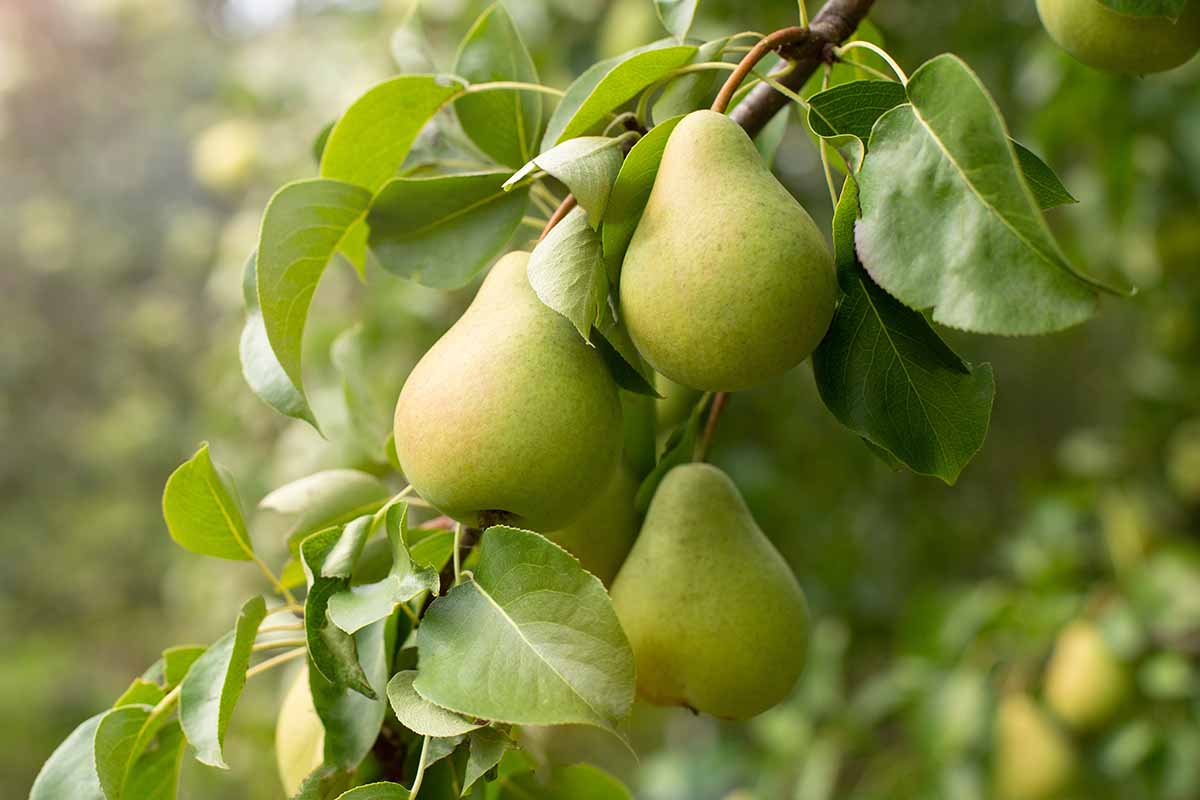
Pear trees are relatively low-maintenance, adaptable to various soil types, and capable of producing abundant crops with proper care. For beginners in the UK, selecting the right pear tree variety is crucial to ensure ease of growth and reliable yields. This article explores three pear tree varieties—Conference, Concorde, and Invincible—that are particularly suited for those new to fruit tree cultivation. These varieties are chosen for their self-fertility, hardiness, and ability to thrive in diverse conditions, making them ideal for British gardens. A nursery specialist from Chris Bowers notes, “For those starting out, choosing self-fertile pear varieties is key, as they simplify pollination and ensure consistent crops without the need for multiple trees.” The focus here is on providing practical guidance for selecting, planting, and maintaining these trees to help beginners achieve a fruitful harvest.
Why Choose Pear Trees for Your Garden?
Pear trees offer several advantages for novice gardeners. They require less intensive pruning than other fruit trees, such as apples, and are generally resilient to common pests and diseases when grown in suitable conditions. Their blossoms, which appear in early spring, add aesthetic appeal to any garden, while their fruits provide a rewarding harvest from late summer to early winter. Unlike some fruit trees, pears are often picked slightly underripe and allowed to ripen off the tree, reducing the risk of damage from pests like wasps. Additionally, pear trees can be grown in various forms, from bush trees to cordons or espaliers, making them adaptable to small gardens, patios, or larger orchards. For those looking to purchase fruit trees for sale, pear trees are widely available from specialist nurseries and offer excellent value due to their longevity and productivity.
The three varieties discussed here—Conference, Concorde, and Invincible—are particularly beginner-friendly due to their self-fertility, meaning they can produce fruit without a pollinating partner. This is a significant advantage for gardeners with limited space or those who wish to start with a single tree. Each variety also exhibits traits such as disease resistance and adaptability to the UK’s variable climate, which further simplifies their care.
Conference Pear: The Classic Choice
The Conference pear is a household name in the UK, renowned for its reliability and versatility. This variety, developed in the late 19th century, is a staple in British gardens due to its consistent cropping and ease of cultivation. Conference pears are self-fertile, making them an ideal choice for beginners who may only have room for one tree. The fruits are medium-sized, with a long, slender shape and a greenish-yellow skin that develops a slight russet when fully ripe. Their flesh is juicy, sweet, and slightly grainy, making them suitable for both fresh eating and cooking.
Conference trees are adaptable to a range of soil types, though they prefer well-drained, fertile soil. They thrive in sunny locations but can tolerate partial shade, which is beneficial for gardeners in less-than-ideal conditions. The trees are typically grafted onto Quince C rootstock, which keeps them compact, reaching heights of 6 to 8 feet, making them manageable for small gardens or even container growing. This rootstock also encourages early fruiting, often within two to three years of planting, which is encouraging for beginners eager to see results.
To ensure success with Conference pears, plant them in late autumn or winter when the tree is dormant, as this reduces transplant shock. Bare-root trees, which are often more affordable and available from specialist nurseries, are a practical option for this variety. Regular watering during the first year and light pruning to maintain an open structure will promote healthy growth. Conference trees are relatively resistant to common diseases like scab, but gardeners should monitor for canker, which can be managed by pruning affected areas and ensuring good air circulation around the tree.
Concorde Pear: A Modern Favourite
Concorde is a newer variety, a cross between Conference and Doyenne du Comice, combining the best traits of both parents. It is another self-fertile option, making it suitable for solitary planting, and is highly regarded for its heavy yields and excellent fruit quality. Concorde pears are medium to large, with a smooth, pale green skin that turns yellow as they ripen. The flesh is sweet, juicy, and buttery, offering a premium eating experience that rivals supermarket varieties. Its compact growth habit, typically reaching 6 to 8 feet on Quince C rootstock, makes it an excellent choice for small gardens or patio containers.
One of Concorde’s standout features is its productivity. Trials have shown it can yield nearly double that of its parent varieties, with a high percentage of fruits graded as Class 1 for quality. This reliability is a boon for beginners who want a tree that delivers consistent results without complex care requirements. Concorde is also a good pollinator for other pear varieties, so if gardeners decide to expand their collection, it complements other trees well. Its fruits are ready for picking in late October and store well into January, providing a long season of enjoyment.
For optimal growth, Concorde benefits from a sunny, sheltered position to protect its early spring blossoms from frost. It is less demanding than some other fruit trees for sale, but regular feeding with a balanced fertiliser in spring and mulching around the base will enhance its performance. Pruning should be minimal, focusing on removing dead or overcrowded branches to maintain an open canopy. Concorde’s resistance to diseases like fireblight makes it a low-risk choice, though gardeners should still keep the area around the tree free of debris to prevent fungal issues.
Invincible Pear: The Hardy All-Rounder
Invincible, also known as Delbardissim, is a standout choice for beginners due to its exceptional hardiness and unique flowering habit. This variety is particularly suited to northern UK gardens or areas with harsher climates, as it produces two sets of blossoms, offering a natural insurance policy against frost damage. If one flush of flowers is affected by late frosts, a second flush can still produce a crop, ensuring reliability even in unpredictable weather. Invincible is self-fertile, eliminating the need for a pollinator, and its fruits are large, emerald green, and crisp, with a sweet, juicy flavour that improves as they ripen to a yellowish hue.
Grown on Quince C or Pyrodwarf rootstock, Invincible trees remain compact, typically reaching 6 to 8 feet, making them suitable for small spaces or container growing. The variety’s strong growth and frost-tolerant blossoms make it a forgiving choice for novice gardeners who may not yet have mastered frost protection techniques. Its fruits ripen from early September and can be harvested over an extended period, providing flexibility for busy gardeners. Invincible is also relatively disease-resistant, though, like all pear trees, it benefits from good hygiene practices, such as clearing fallen leaves to prevent pear rust.
When planting Invincible, choose a site with good sunlight and shelter from strong winds. Bare-root trees are ideal for establishing this variety, and planting in late autumn ensures the roots settle before spring growth. Regular watering during dry spells and a light application of compost or manure in spring will support healthy development. Pruning should be light, focusing on tipping the branch leaders to encourage fruiting rather than vigorous growth. This variety’s adaptability and resilience make it a top pick for those new to growing fruit trees for sale.
Practical Tips for Planting and Care
Selecting the right pear tree is only the first step; proper planting and care are essential for success. For all three varieties—Conference, Concorde, and Invincible—late autumn to early spring is the best time to plant, as the trees are dormant and less prone to stress. Bare-root trees are a cost-effective option and establish quickly if planted promptly. When purchasing fruit trees for sale, ensure they are sourced from a reputable nursery with high standards for health and quality, as this guarantees virus-free stock and better long-term results.
Prepare the planting site by digging a hole twice the width of the root system and deep enough to accommodate the roots without bending. Mix the excavated soil with well-rotted compost to improve fertility and drainage. Place the tree in the hole, ensuring the graft union (the bulge where the variety is grafted onto the rootstock) sits just above soil level. Backfill the hole, firm the soil gently, and water thoroughly. Staking is recommended for the first two years to prevent wind damage, especially for trees in exposed locations.
Watering is critical during the establishment phase, particularly in the first spring and summer. Aim to keep the soil consistently moist but not waterlogged. A layer of organic mulch, such as bark or compost, around the base of the tree helps retain moisture and suppress weeds. Feeding with a general-purpose fertiliser in early spring supports growth, but avoid over-fertilising, as this can lead to excessive vegetative growth at the expense of fruit production.
Pruning is a key aspect of pear tree care but need not be daunting for beginners. For bush trees, focus on creating an open, goblet-shaped structure by removing inward-growing or crossing branches. Light tipping of branch leaders, as opposed to heavy pruning, encourages early fruiting. For cordons or espaliers, which are ideal for small spaces, train branches along wires or supports and prune annually to maintain shape. Summer pruning can help control vigorous growth, while winter pruning shapes the tree and removes dead wood.
Managing Common Challenges
While pear trees are relatively low-maintenance, beginners should be aware of common challenges to ensure healthy growth. Pests such as aphids and codling moths can occasionally affect pear trees, but these can be managed with organic controls like insecticidal soap or by encouraging natural predators like ladybirds. Diseases like fireblight and canker are more serious but can be mitigated by maintaining good air circulation, disinfecting pruning tools, and promptly removing affected wood. Regular inspection of the tree, particularly after wet weather, helps catch issues early.
Frost damage to blossoms is a concern, especially for early-flowering varieties. To protect blossoms, consider covering the tree with horticultural fleece during cold snaps or planting in a sheltered location. Invincible’s dual flowering habit provides an advantage here, but all pear trees benefit from frost protection in colder regions. Overcropping, where a tree produces too many fruits, can lead to small or poor-quality pears. Thinning the fruit when they are the size of marbles, removing one or two per cluster, ensures larger, healthier fruits and prevents branch damage.
Choosing the Right Growing Method
Pear trees are versatile and can be grown in various forms to suit different garden sizes and preferences. Bush trees are the most common form, offering a natural shape that is easy to maintain and harvest. They are suitable for most gardens and produce substantial crops. Cordons, which are single-stemmed trees trained at a 45-degree angle, are ideal for small spaces or along fences, requiring only 30 inches of width. Espaliers and fans, trained against walls or trellises, are both productive and ornamental, maximising space and sunlight exposure. Stepover trees, which grow to just 15 to 18 inches tall, are perfect for edging borders or pathways but produce smaller yields.
For beginners, bush trees or cordons are recommended due to their simplicity. Quince C rootstock is ideal for these forms, keeping trees compact and encouraging early fruiting. For those with larger spaces, Quince A rootstock produces slightly larger trees, suitable for orchards or open lawns. Container growing is another option for small gardens or patios, provided the container is at least 24 inches wide and filled with loam-based compost like John Innes No. 2. Regular watering and feeding are essential for container-grown trees to prevent nutrient deficiencies.
Harvesting and Storing Pears
Harvesting pears at the right time is crucial for optimal flavour and storage. Unlike apples, pears are best picked slightly underripe, as they ripen better off the tree. To test readiness, gently lift the pear in your hand and twist; if it detaches easily with the stalk intact, it is ready. Conference pears are typically harvested in September, Concorde in late October, and Invincible from early September onwards. After picking, store pears in a cool, dark, well-ventilated place, such as a garage or cellar, checking regularly for ripeness. Wrapping individual fruits in paper can prevent spoilage and extend storage life.
For culinary use, Conference and Concorde pears are versatile, suitable for eating fresh, baking, or preserving. Invincible’s crisp texture makes it excellent for fresh eating, though it can also be used in cooking. Overripe pears can be turned into jams, chutneys, or desserts, ensuring no fruit goes to waste. For beginners, the ability to store pears for weeks or months provides flexibility and maximises the enjoyment of the harvest.
Conclusion
Growing pear trees is a rewarding endeavour for beginner gardeners, offering both aesthetic beauty and delicious fruit with minimal effort. The Conference, Concorde, and Invincible varieties stand out for their self-fertility, hardiness, and adaptability, making them ideal choices for UK gardens. By selecting the right rootstock, planting correctly, and following basic care practices, novices can achieve successful harvests within a few years. Whether grown in a small patio container or a spacious orchard, these pear trees provide reliable crops and long-term value. For those seeking quality fruit trees for sale, specialist nurseries offer a wide range of healthy, certified stock to ensure a strong start. With a little care and attention, these pear trees can become a cherished part of any garden, yielding bountiful fruit for decades to come.
Comments are closed.