

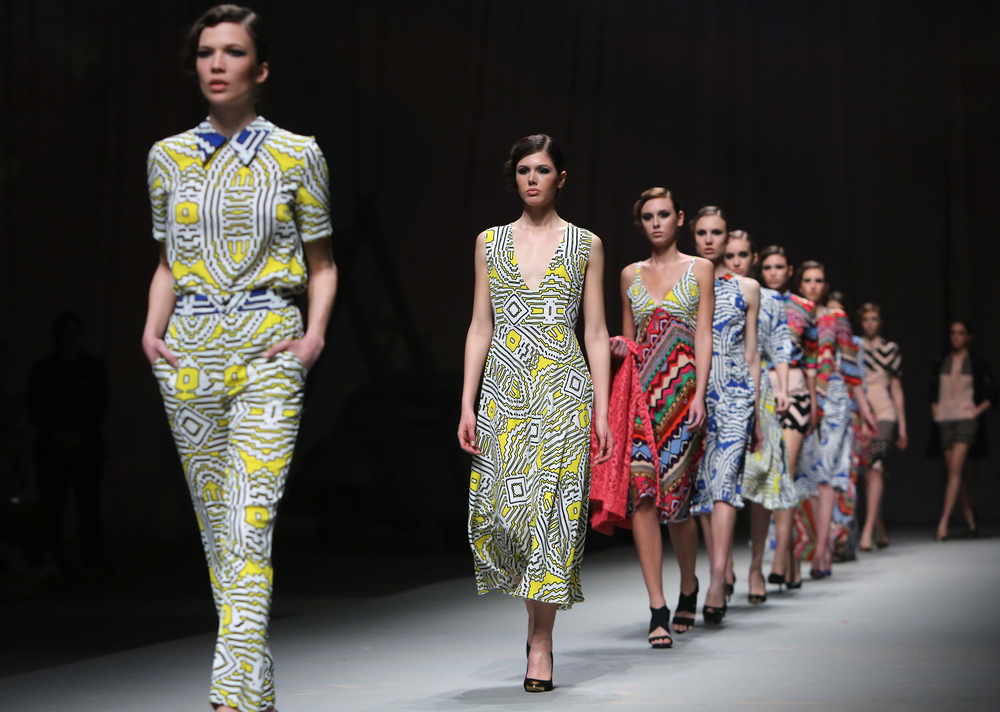
Fashion is much more than the clothes we wear. It is an expression of individuality, culture, and social movements, while also reflecting the constant evolution of global trends. From streetwear to haute couture, the fashion industry has transformed into a multi-trillion-pound sector influencing art, technology, and lifestyle. Understanding its depth means exploring how fashion shapes identity, adapts to change, and influences society at large.
The Cultural Significance of Fashion
Fashion has always been a mirror of culture. From the elaborate gowns of the Victorian era to the rebellious punk movement of the 1970s, every generation has used clothing as a way to challenge norms and express values.
-
Historical influence: Traditional attire has often symbolised power, class, and heritage. For example, kilts in Scotland or saris in India highlight cultural pride and identity.
-
Modern movements: In recent years, fashion has aligned itself with sustainability, inclusivity, and gender neutrality, showing a shift towards progressive ideals.
Fashion not only adapts to cultural changes but also drives them, making it a key player in shaping modern identity.
Fashion as an Expression of Identity
The phrase “you are what you wear” resonates deeply in today’s society. Clothing is no longer only about practicality but also about storytelling.
-
Personal branding: People consciously choose outfits that communicate their personalities, professions, and lifestyles.
-
Youth identity: Teenagers and young adults often adopt fashion trends as a way to belong to a group or movement, whether through streetwear, vintage styles, or high-end labels.
-
Workplace evolution: The rise of casual workwear and remote working has shifted traditional business attire into more comfortable, versatile choices.
Fashion remains one of the most powerful non-verbal tools for self-expression.
The Business of Fashion
The fashion industry is not only creative but also one of the largest global markets, employing millions and influencing economies worldwide.
-
Luxury fashion: High-end labels set the tone for style, often dictating colours, fabrics, and designs that filter down to fast fashion.
-
Fast fashion: While affordable and accessible, this sector faces criticism due to environmental concerns and ethical issues.
-
Digital transformation: Online retail, virtual fitting rooms, and AI-driven personal styling have reshaped the way people shop.
The commercial side of fashion demonstrates how creativity and commerce intersect on a global scale.
The Role of Sustainability
One of the most important discussions in fashion today is sustainability. As awareness grows around climate change and waste management, the industry faces pressure to adopt more eco-conscious practices.
-
Eco-friendly fabrics: Organic cotton, bamboo fibres, and recycled polyester are becoming more common.
-
Slow fashion: Consumers are increasingly shifting from mass-produced items to durable, timeless pieces.
-
Circular economy: Resale platforms, rental services, and upcycling have gained popularity, giving garments a second life.
Sustainability is no longer a trend but a necessity for the future of fashion.
Technology and Fashion Innovation
Technology has revolutionised how fashion is designed, produced, and consumed.
-
3D printing: Designers experiment with unique, futuristic clothing made using 3D-printed materials.
-
Virtual fashion shows: Digital runways and metaverse fashion collections have changed how brands present new lines.
-
Smart clothing: Wearables that track fitness, regulate body temperature, or integrate with digital devices are merging fashion with technology.
These innovations prove that fashion is not limited to fabric but is becoming a high-tech industry.
Streetwear and the Rise of Everyday Luxury
Streetwear has become one of the most powerful movements in modern fashion. What started as a niche subculture has now redefined luxury and mainstream style.
-
Cultural impact: Streetwear draws from skateboarding, hip-hop, and youth culture, influencing even high-end fashion houses.
-
Collaborations: Designers and global brands frequently collaborate with streetwear creators, blending exclusivity with accessibility.
-
Everyday luxury: Sneakers, hoodies, and caps are now status symbols, often priced and valued like designer handbags.
Streetwear reflects a broader trend of comfort-driven yet stylish clothing dominating global fashion.
Fashion and Social Media
The digital era has amplified fashion’s influence more than ever before.
-
Influencers: Instagram, TikTok, and YouTube personalities shape what millions wear daily.
-
Instant trends: A viral video can make a style popular overnight.
-
Direct-to-consumer models: Brands increasingly rely on social platforms to connect directly with customers, bypassing traditional retail.
Fashion’s digital integration highlights its adaptability and constant reinvention.
FAQs about Fashion
Why is fashion considered important in daily life?
Fashion plays a role in confidence, self-expression, and social perception. What we wear often impacts how others perceive us and how we feel about ourselves.
How is technology changing the fashion industry?
From virtual try-ons and AI-powered recommendations to 3D printing and digital fashion, technology is reshaping design, production, and consumer experiences.
What is the difference between fast fashion and slow fashion?
Fast fashion focuses on quick, affordable production of trendy items, while slow fashion emphasises quality, sustainability, and timeless designs.
Can fashion influence social change?
Yes, fashion often challenges norms and supports movements. For example, gender-neutral clothing promotes inclusivity, while eco-fashion highlights environmental awareness.
What is the future of sustainable fashion?
The future lies in innovation: bio-based fabrics, circular economies, and consumer demand for transparency will shape the next era of fashion.
Comments are closed.